There are no items in your cart
Add More
Add More
| Item Details | Price | ||
|---|---|---|---|

A few years ago, I noticed a pattern that shows up in more people than most of us want to admit.
It usually does not begin with a dramatic collapse.
It begins with a quiet sentence.
Things will calm down next month.
Once this season passes, I will get serious.
When life gets less stressful, I will finally make the change I know I need to make.
At first, those thoughts sound reasonable. Even hopeful.
But then next month comes.
And the month after that.
And if we are honest, many of us eventually look up and realize we are still carrying the same habits, the same frustrations, the same fears, and the same excuses into a different date on the calendar.
The circumstances may have shifted.
But we have not.
That is one of the hardest truths about resistance:
Time does not break resistance. Awareness does.
Circumstances do not automatically create change. Internal shifts do.
This is where many people get stuck.
We assume the biggest barriers in our lives are external.
The demanding job.
The difficult season.
The lack of time.
The stress.
The uncertainty.
The pressure.
And to be clear, those things are real. They matter. They affect us.
But there comes a moment when we have to ask a deeper question:
What if the real force keeping me stuck is not only what is happening around me, but what is happening within me?
That question leads us into the conversation most people avoid: the role of the subconscious mind in resistance.
When people talk about resistance, they often describe it in surface-level terms.
Procrastination.
Avoidance.
Inconsistency.
Self-doubt.
Perfectionism.
Fear of failure.
Fear of being seen.
All of that is true.
But those are often symptoms, not the root issue.
The root issue is frequently deeper and quieter. Resistance is often tied to subconscious beliefs that shape how we interpret risk, identity, safety, and change.
The subconscious mind stores patterns. It holds emotional imprints, learned beliefs, repeated narratives, and internal rules about what is safe and what is not. It influences how we react before we have even fully thought through what we are doing.
That means you can consciously say, I want change, while subconsciously operating from beliefs that say:
Change is dangerous.
Success will create more pressure.
If I fail, I will be exposed.
If I outgrow this version of myself, I will lose connection with others.
I should wait until I feel more ready.
This is just who I am.
So even when a person wants more for their life, their subconscious may still be pulling them back toward what feels familiar.
And familiar, even when unhealthy, often feels safer than growth.
This is why so many people spend years waiting for external improvement while remaining internally unchanged.
They wait for motivation.
They wait for clarity.
They wait for confidence.
They wait for the right season.
But resistance is not usually broken by waiting.
It is broken by confronting the beliefs that have been quietly running the show.
Many people are not trapped because life is impossible.
They are trapped because their current way of thinking has become normalized.
Their identity has adapted to the very patterns they want to escape.
They have learned how to function inside resistance.
They have become productive inside resistance.
They have even become successful inside resistance.
But functioning is not the same as freedom.
And success without internal alignment still leaves people feeling stuck.
One of the most subtle forms of resistance is the belief that change is always about to happen later.
Not today.
Not this week.
But soon.
That belief feels harmless. Sometimes it even feels responsible.
But “soon” can become a hiding place.
It allows us to postpone the deeper work of examining what actually needs to change. It keeps us focused on future relief instead of present responsibility. It protects us from discomfort while convincing us we are still committed to growth.
This is why some people stay in the same cycle for years while telling themselves they are only temporarily delayed.
They are not waiting for the right month.
They are avoiding the right mirror.
This is one of the most important leadership and personal growth lessons I have learned:
People do not consistently act according to what they want. They act according to what they believe.
You can want health and still believe change never lasts.
You can want leadership growth and still believe conflict should be avoided.
You can want more confidence and still believe your voice is not strong enough.
You can want a different life and still be organized around the beliefs of your old one.
That is why intention alone is not enough.
Good intentions do not override subconscious programming.
Desire does not automatically produce discipline.
Hope does not dismantle deeply rehearsed beliefs.
Beliefs must be examined.
Patterns must be interrupted.
Identity must be reshaped.
The good news is that resistance does not always require a dramatic breakthrough to begin changing.
Sometimes it begins with a small, honest shift.
A new belief.
A new question.
A new daily practice.
A new interpretation of challenge.
A new willingness to notice your own patterns instead of defending them.
Small changes in belief and mindset focus can go a long way.
A person who shifts from I am stuck to I am practicing change shows up differently.
A leader who shifts from hard conversations create disconnection to hard conversations can create trust leads differently.
A person who shifts from I need life to get easier first to I need to respond differently now starts reclaiming power.
These are not just motivational phrases.
They are identity-level adjustments.
And identity-level adjustments change behavior.
Over time, those small internal shifts create different decisions. Different decisions create different habits. Different habits create different results.
That is how resistance begins to lose its grip.
Insight matters, but insight alone is not enough.
You can recognize your patterns and still repeat them.
Breaking resistance requires awareness, yes, but it also requires intentional practice. It requires repeatedly choosing thoughts, behaviors, and beliefs that align with the future you want rather than the past you have mastered.
That means:
Eventually, the real work is not just changing your goals.
It is changing the person who pursues them.
If you have been telling yourself that things will get better soon, but you keep ending up in the same emotional, professional, or personal place, it may be time to stop asking when life will change and start asking what within you must change.
Not from a place of shame.
From a place of ownership.
Because the truth is this:
The external world may absolutely influence your struggle.
But your beliefs influence how long you stay there.
The subconscious plays a role in resistance because it shapes what feels normal, safe, and possible. And until those internal patterns are challenged, many people will keep waiting for a better season while repeating the same internal script.
Breaking resistance begins when you stop negotiating with the version of you that wants comfort over change.
It begins when you stop assuming time will save you.
It begins when you realize that the next level of your life may not require better circumstances first.
It may require better beliefs.
A stronger mindset.
A more honest self-examination.
And the courage to make small internal changes that eventually transform the way you live.
That is the work.
Not waiting for next month.
Not hoping the pressure fades.
But becoming someone who no longer lets old beliefs, subconscious fear, and familiar patterns decide the future.
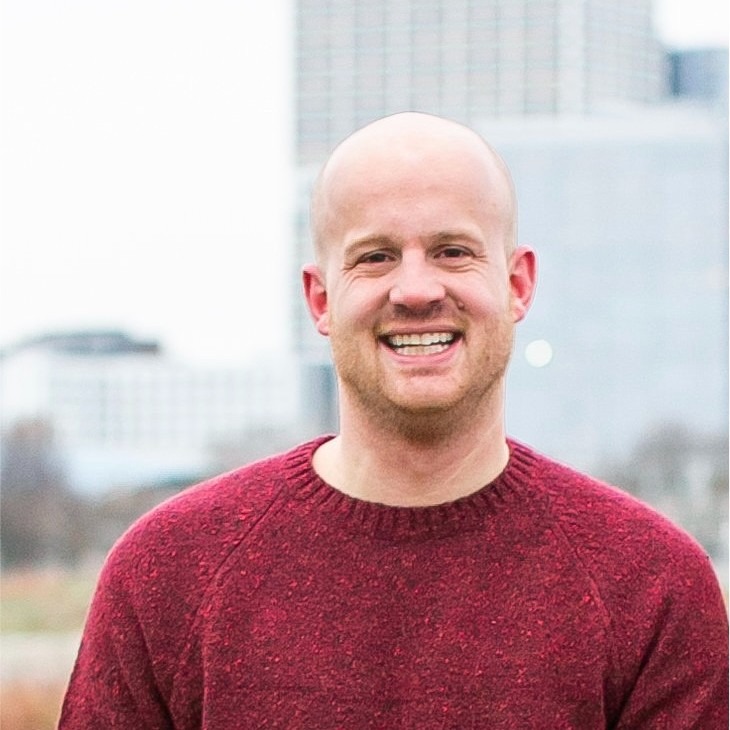
Brian Rutz
Breaking Resistance
 Launch your Graphy